
The 429 Too Many Requests error appears when a user, bot, or plugin sends too many requests to your WordPress server in a short time. Your server blocks these requests to protect itself from crashing.
Table of Contents
This error is frustrating because it can lock you out of your own website. The good news is that you can usually fix it in under 10 minutes. Follow the steps below to get your WordPress site back online.
What Does HTTP Error 429 Mean?
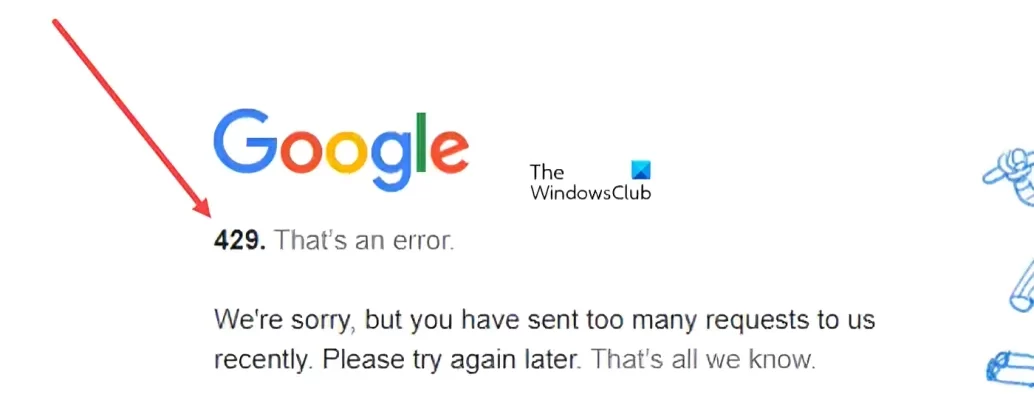
Understanding the http error 429 meaning is the first step toward fixing it. According to MDN Web Docs, a 429 status code means the client has sent too many requests in a given timeframe — and the server is pushing back to protect itself. Rate limiting is a deliberate server-side defense, not a malfunction. The next sections map out exactly where and why it triggers.
HTTP/1.1 429 Too Many Requests
Content-Type: application/json
Retry-After: 60

{
  "error": "Too Many Requests",
  "message": "You have exceeded the rate limit. Please wait before making more requests.",
  "code": 429
}
Whether you landed here after troubleshooting firsthand or found this guide through a thread on http error 429 reddit, this table of contents helps you jump directly to the most relevant fix.
What Happens in the Anatomy of a 429 Response?
When a server returns a 429 status, the response typically includes a Retry-After header — a critical signal telling clients how long to wait before retrying. A well-formed 429 response is your server’s most actionable error message. This header may specify seconds or an HTTP date.
Users of apps like reading platforms (a common search: http error 429 mihon) encounter this exact structure when manga servers enforce request limits. Understanding what’s inside the response helps you diagnose — and fix — the problem faster, which is exactly where the next section picks up.
What Causes the 429 Too Many Requests Error in WordPress?
Your server uses rate limiting to stop overload. When something hits that limit, WordPress returns a 429 status code. Common triggers include:
Brute-force login attacks: Bots repeatedly try to guess your password at /wp-login.php .
Misbehaving plugins: A buggy plugin sends constant background requests to your server or a third-party API.
Theme scripts: A poorly coded theme makes excessive server calls on every page load.
Third-party services: External tools, search engines, or APIs request data from your site too fast.
Strict hosting limits: Your web host enforces tight request caps on shared hosting plans.
5 Ways to Fix Error 429 in WordPress
Work through these fixes in order. Test your website after each step to see if the error is gone.
1. Find and Deactivate the Misbehaving Plugin
A faulty plugin is the most common cause of a 429 error in WordPress.
If you can access your WordPress dashboard:
- Go to Plugins > Installed Plugins.
- Select all plugins and choose Deactivate from the Bulk Actions menu.
- Reload your website. If the error disappears, a plugin caused it.
- Reactivate your plugins one by one. Check your site after each activation to find the culprit.
If you are locked out of your dashboard:
- Connect to your site using an FTP client (like FileZilla) or your host’s File Manager.
- Open the
wp-contentfolder. - Find the
pluginsfolder and rename it toplugins-old. This immediately deactivates all plugins. - Refresh your website. If it loads, rename the folder back to
plugins. - Log in to WordPress and reactivate your plugins one at a time until the error returns.
Once you find the problem plugin, replace it with a reliable alternative or contact the plugin developer.
2. Switch to a Default WordPress Theme
If plugins are not the problem, your active theme might be sending too many requests.
- Open your site files via FTP or cPanel File Manager.
- Go to
wp-content/themes. - Find your active theme’s folder and rename it (for example, add
-disabledto the end). - WordPress will automatically switch to a default theme like Twenty Twenty-Five.
Check your site. If the 429 error is gone, your theme caused the issue. Update the theme to its latest version, or switch to a clean, lightweight WordPress theme.
3. Change Your Default WordPress Login URL
Bots constantly target the default /wp-login.php and /wp-admin URLs. Hundreds of failed login attempts per minute will quickly trigger a 429 error.
You can stop these attacks by moving your login page:
- Install and activate a free plugin like WPS Hide Login.
- Go to Settings > WPS Hide Login.
- Enter a custom login URL (for example, yoursite.com/my-secret-login).
- Click Save Changes.
Bookmark your new login URL. Bots hitting /wp-login.php will now see a 404 error instead of overloading your server.
4. Check for Mixed Content and Redirect Loops
After moving a site to HTTPS, old HTTP links can trigger endless redirect loops. Each redirect counts as a new request, which can push your site over its rate limit.
- Install a plugin like Really Simple Security to fix mixed content automatically.
- Check your
.htaccessfile for conflicting redirect rules. - Make sure your WordPress Address (URL) and Site Address (URL) under Settings > General both start with
https://.
5. Contact Your WordPress Hosting Provider
Sometimes the 429 error comes from your hosting server, not your WordPress files. Your host may be blocking legitimate requests from Googlebot, Cloudflare, or a third-party service you use.
Reach out to your hosting support team and ask them to:
- Check your server access logs for IP addresses sending excessive requests.
- Confirm they are not rate-limiting trusted services or search engine crawlers.
- Tell you if your site has outgrown the request limits on your current hosting plan.
How to Prevent 429 Errors on Your WordPress Site
Once your site is back up, take these steps to stop the error from returning:
- Use a caching plugin: Caching serves static pages to visitors, which sharply cuts down server requests.
- Enable a firewall (WAF): Services like Cloudflare block malicious bots before they ever reach your server.
- Limit login attempts: Use a security plugin to lock out IP addresses after 3 to 5 failed logins.
- Keep everything updated: Update WordPress core, themes, and plugins regularly to patch buggy scripts.
Final Thoughts
HTTP 429 errors are preventable with the right combination of monitoring, backoff logic, and request discipline. Whether you’re a developer integrating an API or an everyday user hitting a rate limit wall, understanding the cause is half the battle. Avoiding the pitfalls covered earlier — like unmonitored usage and unsafe retries — keeps your requests flowing smoothly and your integrations reliable.
Still have questions? The next section tackles the most common 429-related FAQs directly.
429 Too Many Requests (FAQs)
Still have questions? Here are quick answers to the most common ones before diving into website-specific fixes.
What does HTTP 429 actually mean?
The server received too many requests from your IP or account within a set timeframe and is temporarily blocking further access.
Is a 429 error permanent?
No. It is a temporary status that resolves once the rate-limit window resets.
Can end users trigger 429 errors?
Yes. Browser extensions, auto-refresh plugins, or repeated page reloads can generate excessive requests and trigger rate limiting.
How do I get past the 429 Too Many Requests error on a website?
Wait before retrying, avoid repeated refreshes, and clear browser cache and cookies. Slowing down requests is the most reliable fix.
HTTP Error 429 (Too Many Requests) – how do I fix it?
Users should pause and retry later, while developers need proper rate limiting, retry logic, and request optimization strategies.
How to avoid HTTP error 429 (Too Many Requests) in Python?
Use request throttling, implement exponential backoff, add delays like time.sleep(), and respect the Retry-After header.
What does the HTTP 429 Too Many Requests error mean?
It is a client-side error indicating that too many requests were sent within a limited timeframe, exceeding server limits.
How to fix 429 Too Many Requests error in C#?
Implement retry logic using exponential backoff and delay requests using Task.Delay(), while respecting server response headers.
How to resolve the 429 Too Many Requests issue in WordPress?
- Disable problematic plugins
- Enable caching
- Block bots or malicious traffic
How to fix 429 Too Many Requests error on Cloudflare?
Review rate-limiting rules, adjust thresholds, and whitelist trusted IP addresses if necessary.
What causes the 429 Too Many Requests error?
Common causes include excessive API calls, aggressive scripts, misconfigured retry logic, or too many rapid user actions.
Why do I encounter the 429 error when logging into a website?
Repeated login attempts or automated retries can trigger rate limits designed to prevent brute-force attacks.
How do I fix HTTP error 429?
Reduce request frequency, wait before retrying, clear cache, and implement proper rate-limiting strategies if you are a developer.
Does error 429 go away?
Yes. It resolves automatically once the rate-limit period expires.
How to fix error code 429?
Slow down request frequency, retry after a delay, and follow server rate-limit guidelines.
How do I get past a 429 error on a specific site?
Wait 60–120 seconds, clear cache, or switch networks to reset IP-based limits.
Why is error 429 considered a client-side error?
Because the issue is caused by the client sending too many requests, not a failure on the server.
How to fix a network error 429 on the YouTube app?
Restart the app, clear cache, switch networks, or wait briefly before retrying.
How to fix “Error 429 Too Many Requests” on Shopify?
- Reduce API calls
- Disable heavy apps
- Retry after waiting
 Sonal S Sinha is a digital architect and seasoned developer with over 16 years of experience in the web world. As the founder of a premier design and marketing agency, he has helped thousands of startups and small businesses define their identity through custom WordPress theme development.
A self proclaimed WooCommerce enthusiast, Sonal is dedicated to making professional design accessible to everyone. He regularly shares his expertise and a curated selection of free WordPress themes to help new creators launch with confidence. Follow Sonal for a consistent masterclass in scaling your online presence.

